
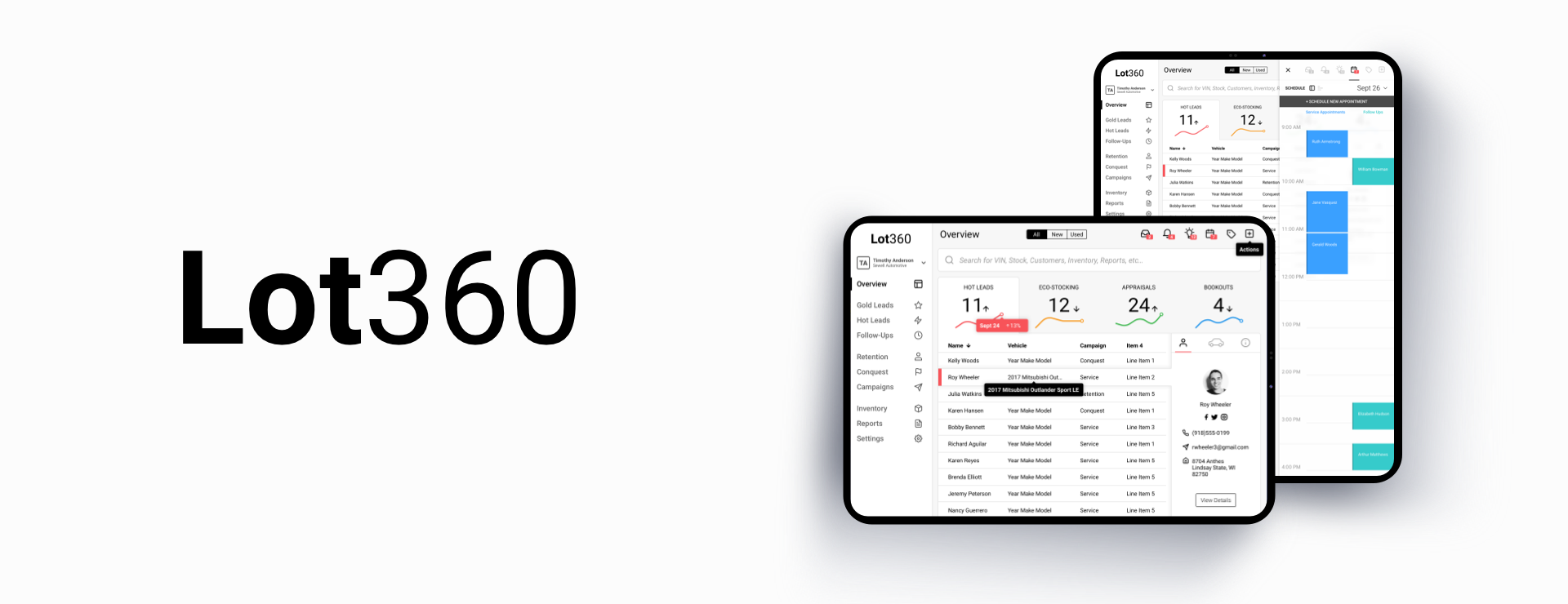
Enterprise SaaS
Product Strategy
Leadership
Four Dealership Tools. One Unified Platform.
Unified four independent automotive applications into a single platform, simplifying dealership workflows while establishing a scalable product experience for future growth.
Overview
One platform. Four products. Hundreds of dealerships.
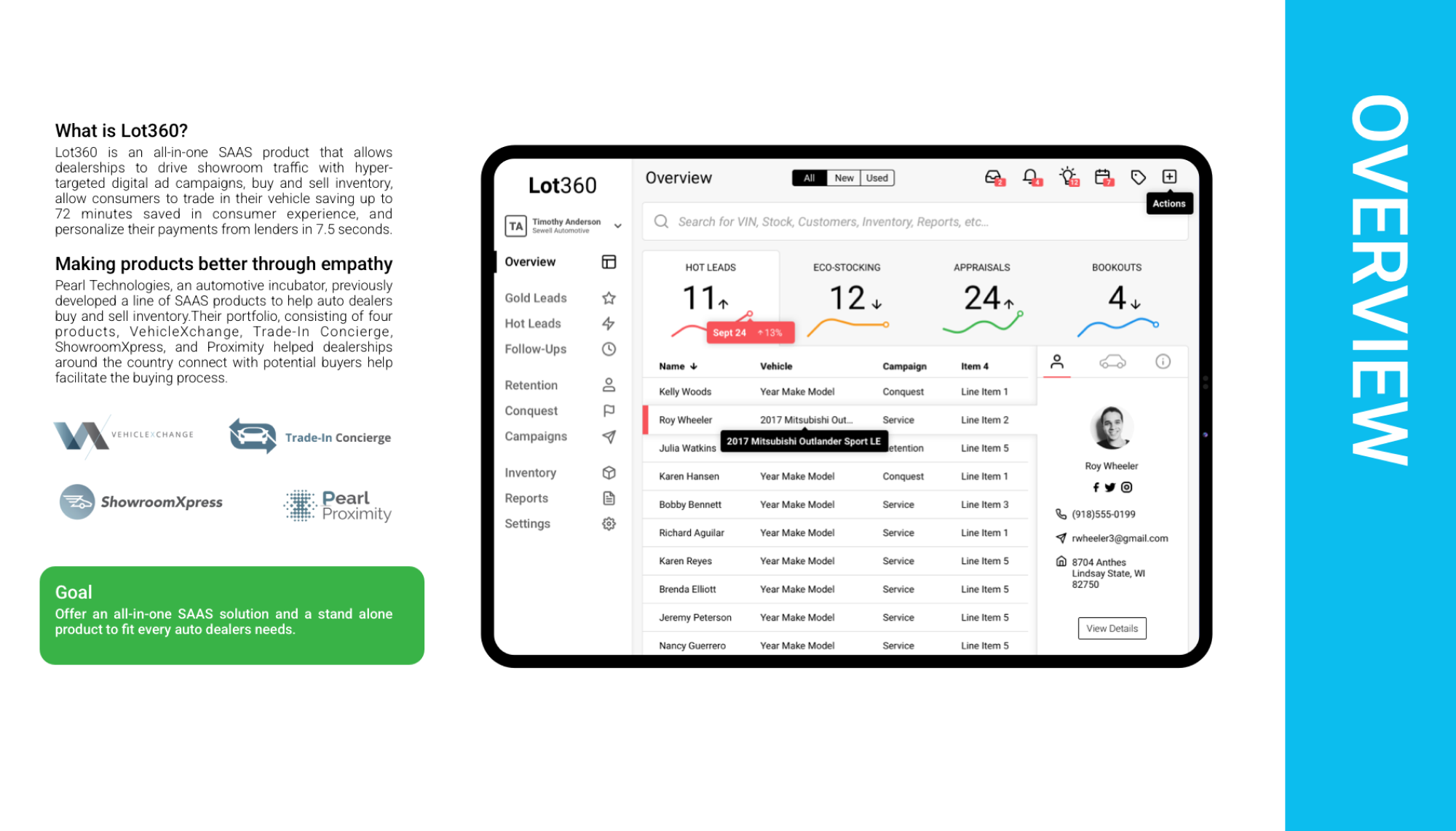
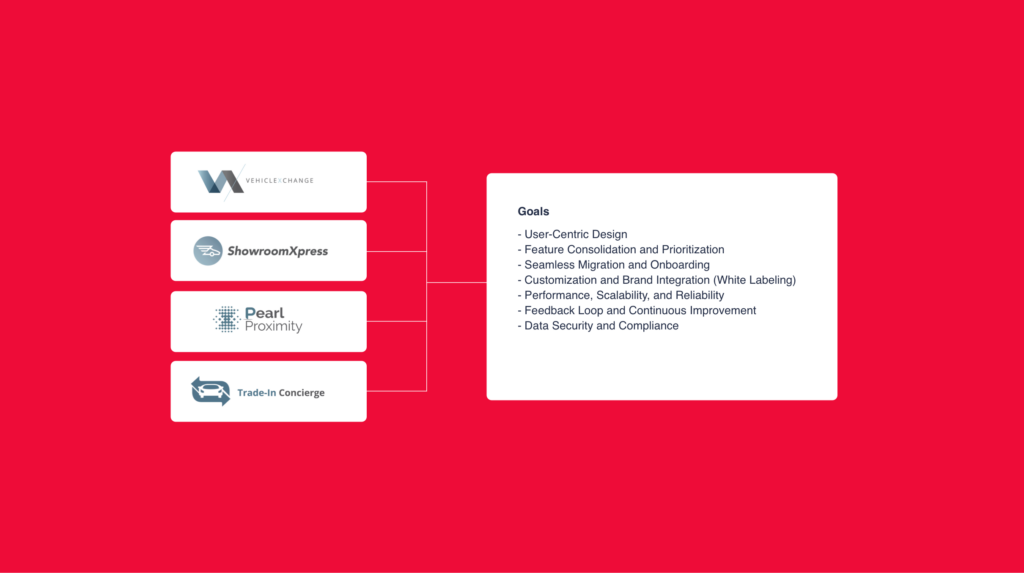
Pearl Technologies offered multiple SaaS products that supported different parts of the dealership experience, including inventory management, trade-ins, showroom engagement, and proximity marketing. Individually, each product delivered value. Together, however, they created disconnected workflows, inconsistent user experiences, and duplicated functionality.
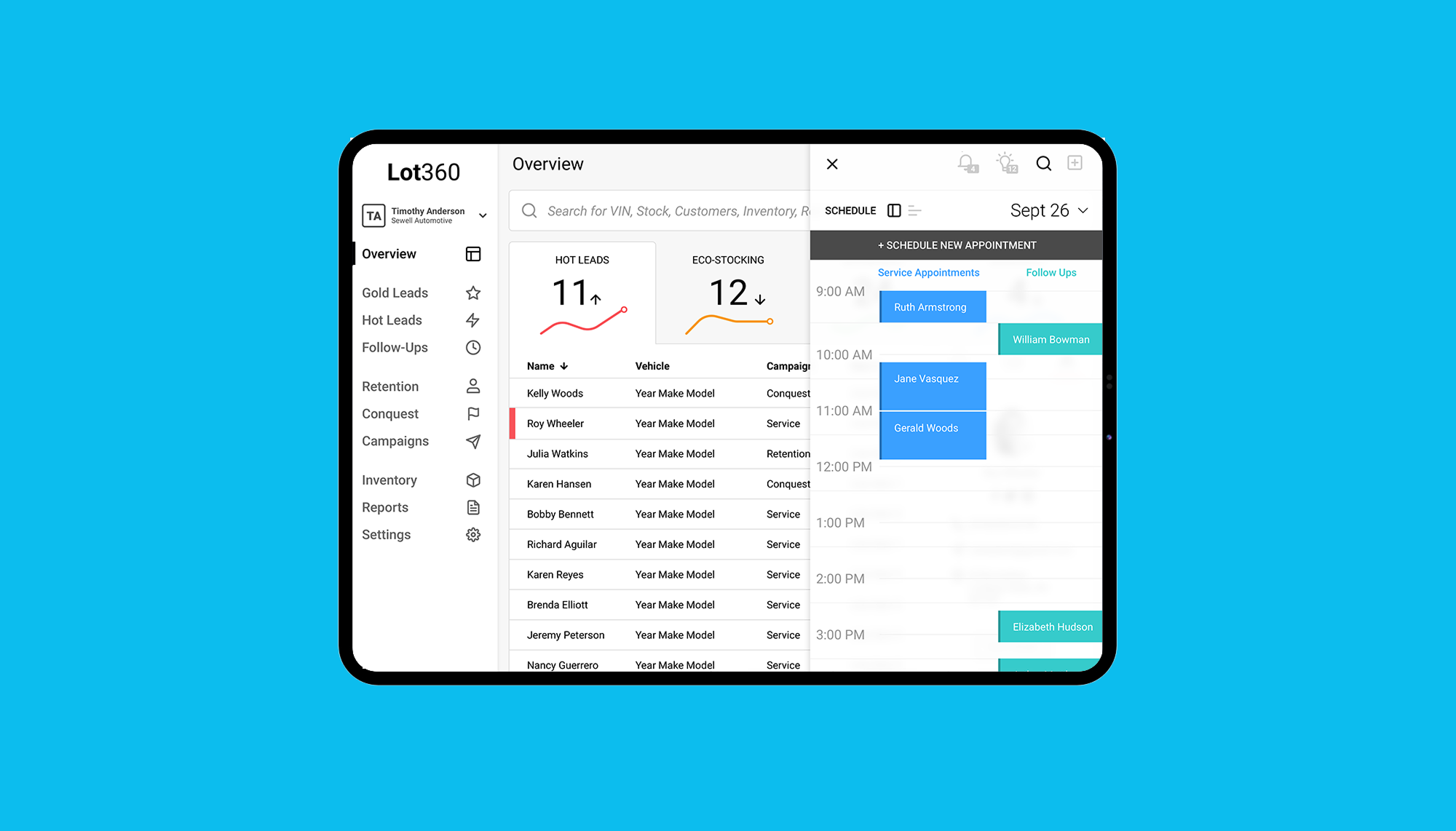
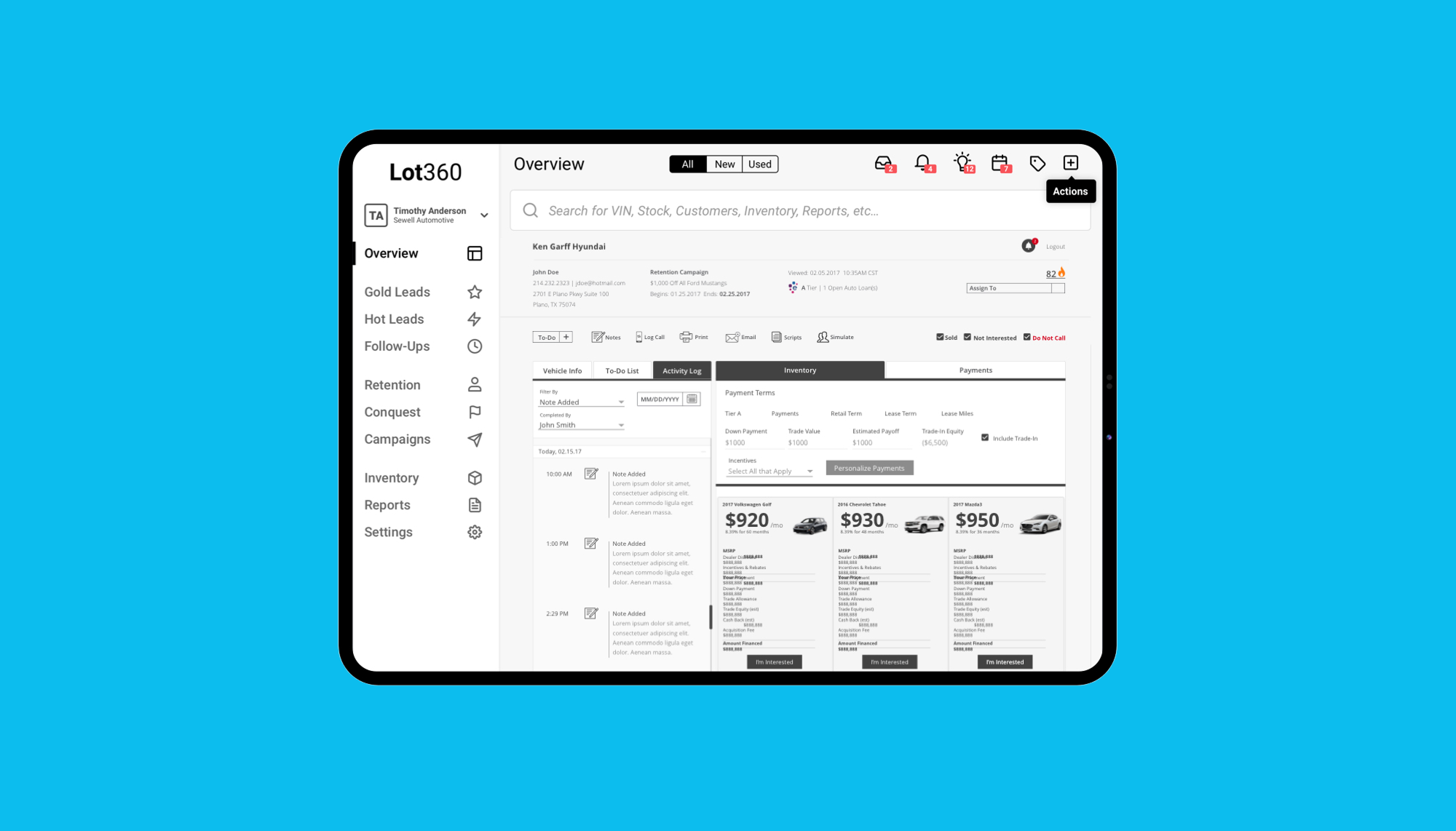
Lot360 was created to bring these products together into a single platform that simplified dealership operations while remaining flexible enough to support white-label deployments for individual dealer groups.
Problem
Fragmented products created fragmented experiences.
Dealership employees constantly moved between separate systems to manage leads, inventory, financing, customer communication, and marketing campaigns. Every product had its own interface, navigation, and workflow, increasing cognitive load and slowing everyday tasks.
At the same time, dealerships expected software that reflected their own branding and business processes without requiring custom development for every customer. The challenge wasn’t simply combining software. It was designing a unified platform that felt cohesive, scalable, and familiar regardless of dealership size or brand.
My Role
Creative Director • Lead Product Designer
As Creative Director and Lead Product Designer, I led the end-to-end product strategy and user experience for Lot360, transforming four independent dealership applications into a single unified platform.
Responsibilities
• Product Strategy
• UX Research & Discovery
• Systems Thinking
• Information Architecture
• Interaction Design
• Design System Development
• White-Label Experience Strategy
• Prototyping & Usability Testing
• Cross-functional Leadership
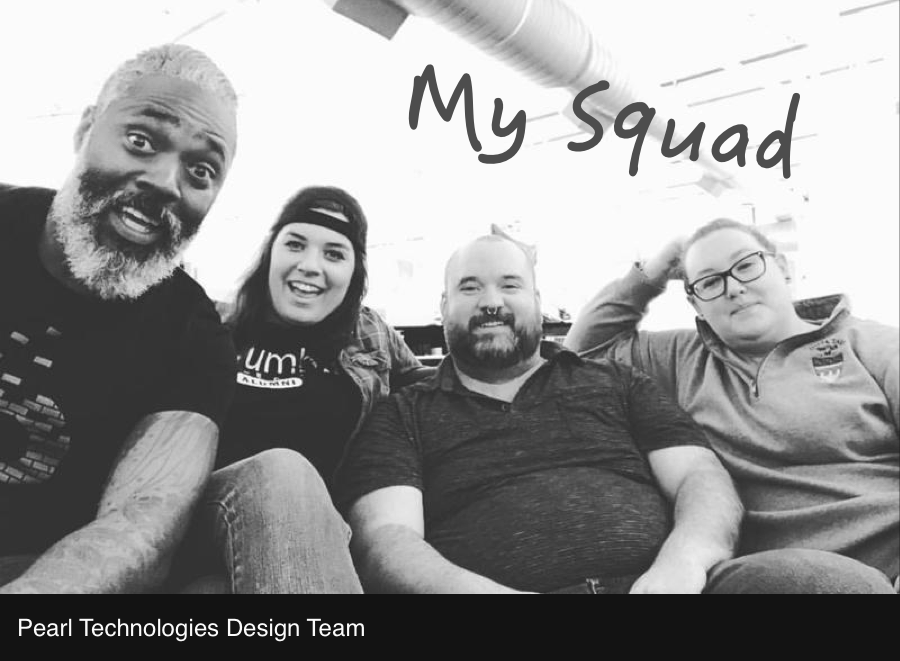
I directed a multidisciplinary team of UX designers, visual designers, and front-end developers while partnering closely with executives, product managers, engineers, marketing, and dealership stakeholders to align business goals with user needs. Together, we conducted user research, established the design system, facilitated collaborative design workshops, and validated the experience through iterative prototyping and usability testing. By fostering a collaborative, user-centered design process, we rapidly explored ideas, refined solutions through continuous feedback, and delivered a cohesive, scalable platform experience.
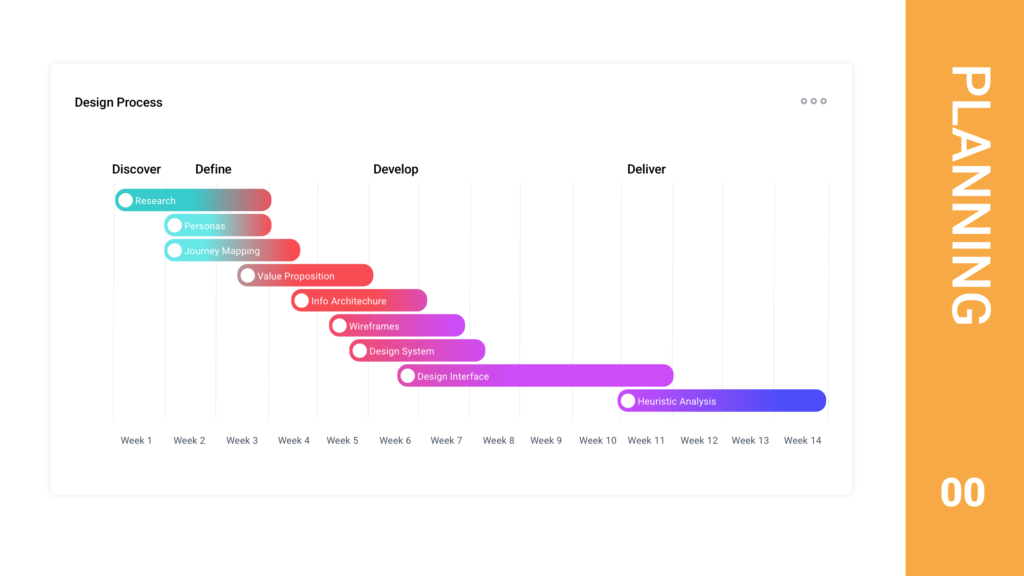
Discovery
Understanding dealership operations from the inside out.
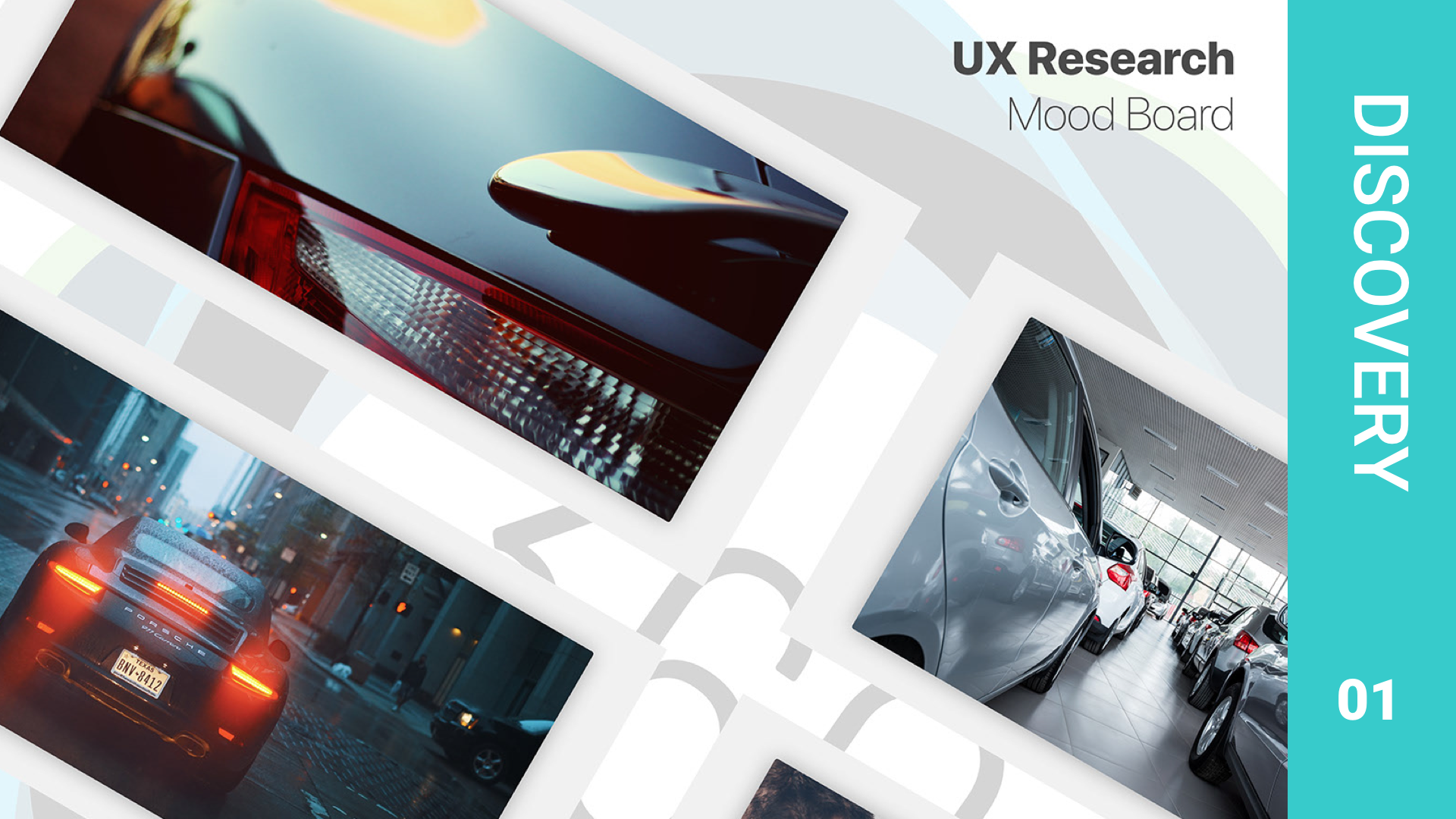
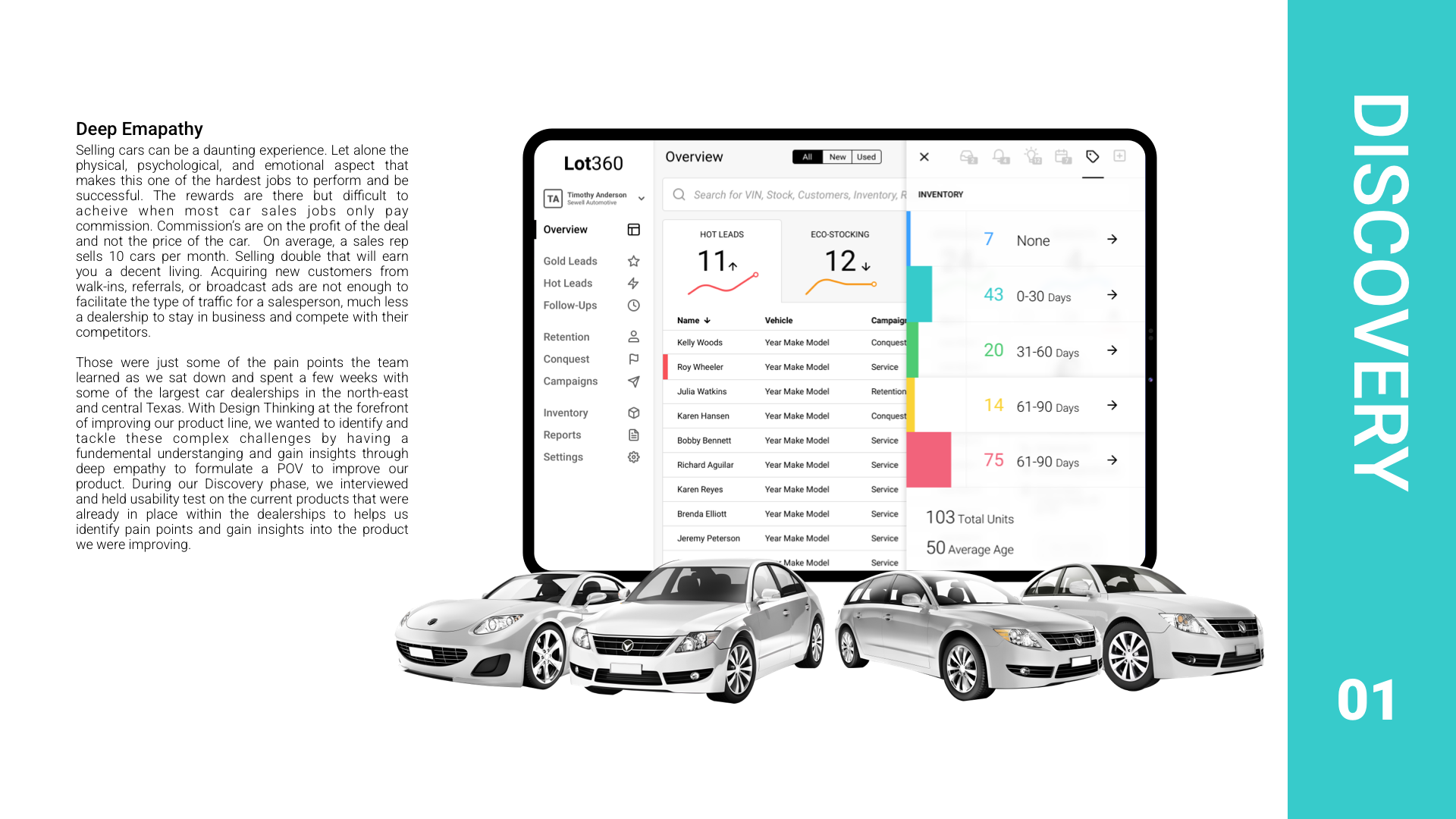
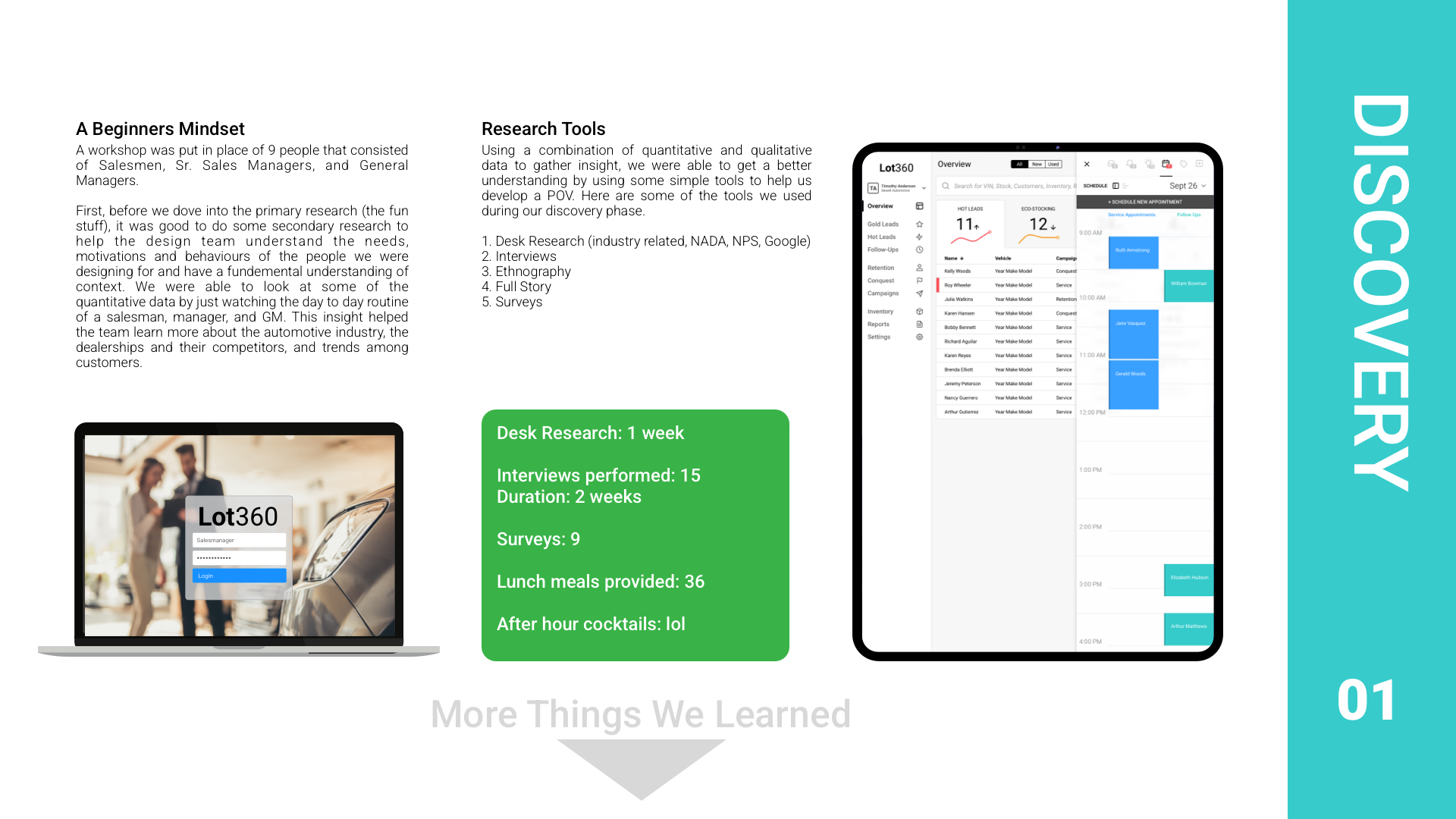
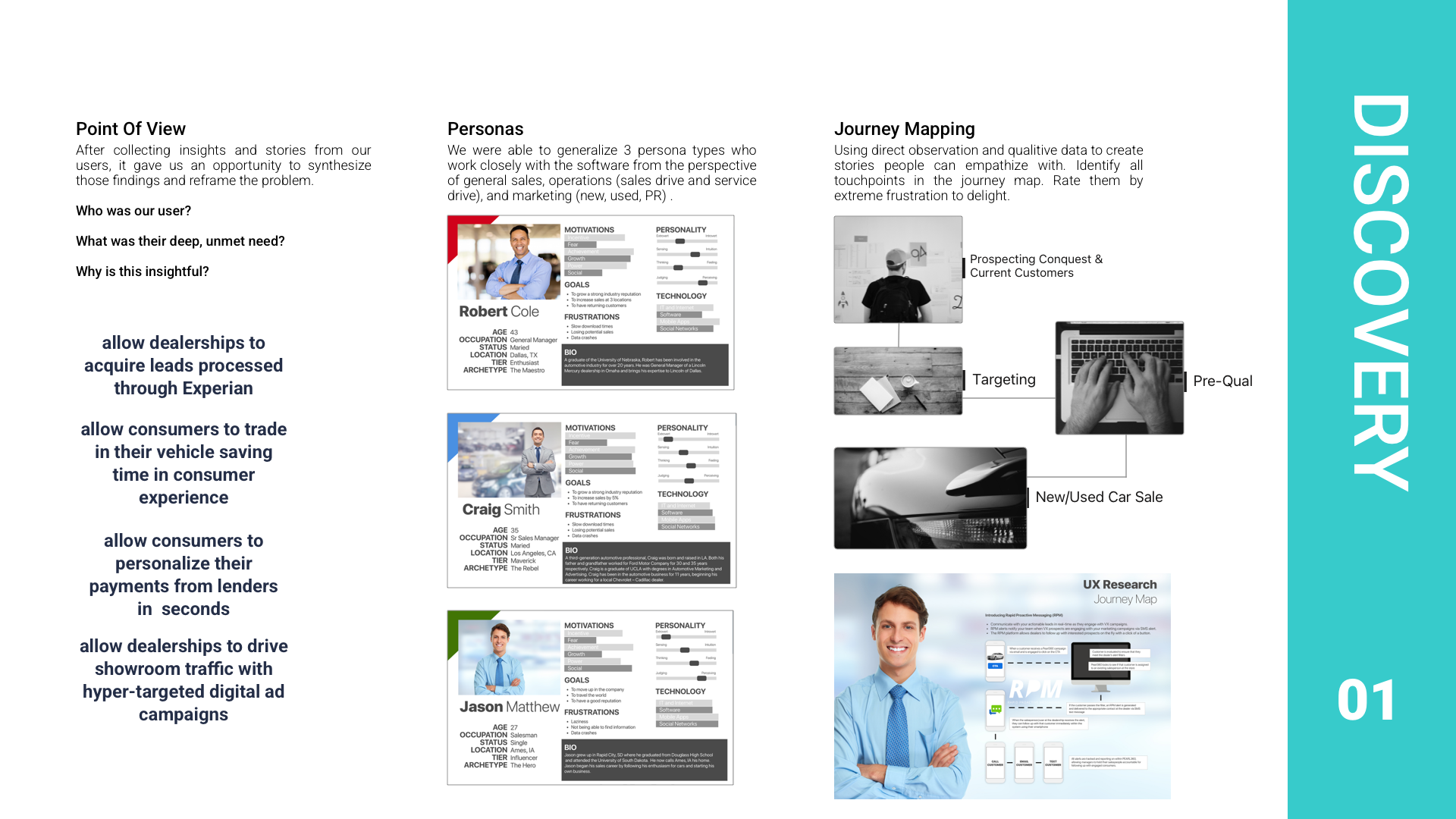
Rather than starting with assumptions, we immersed ourselves in dealership environments to understand how people actually worked. We interviewed sales managers, service advisors, general managers, marketing teams, and customers while observing daily workflows across the sales floor and service drive.
Research combined qualitative and quantitative methods including:
• Dealership observations
• User interviews
• Ethnographic research
• Surveys
• FullStory analytics
• Competitive analysis
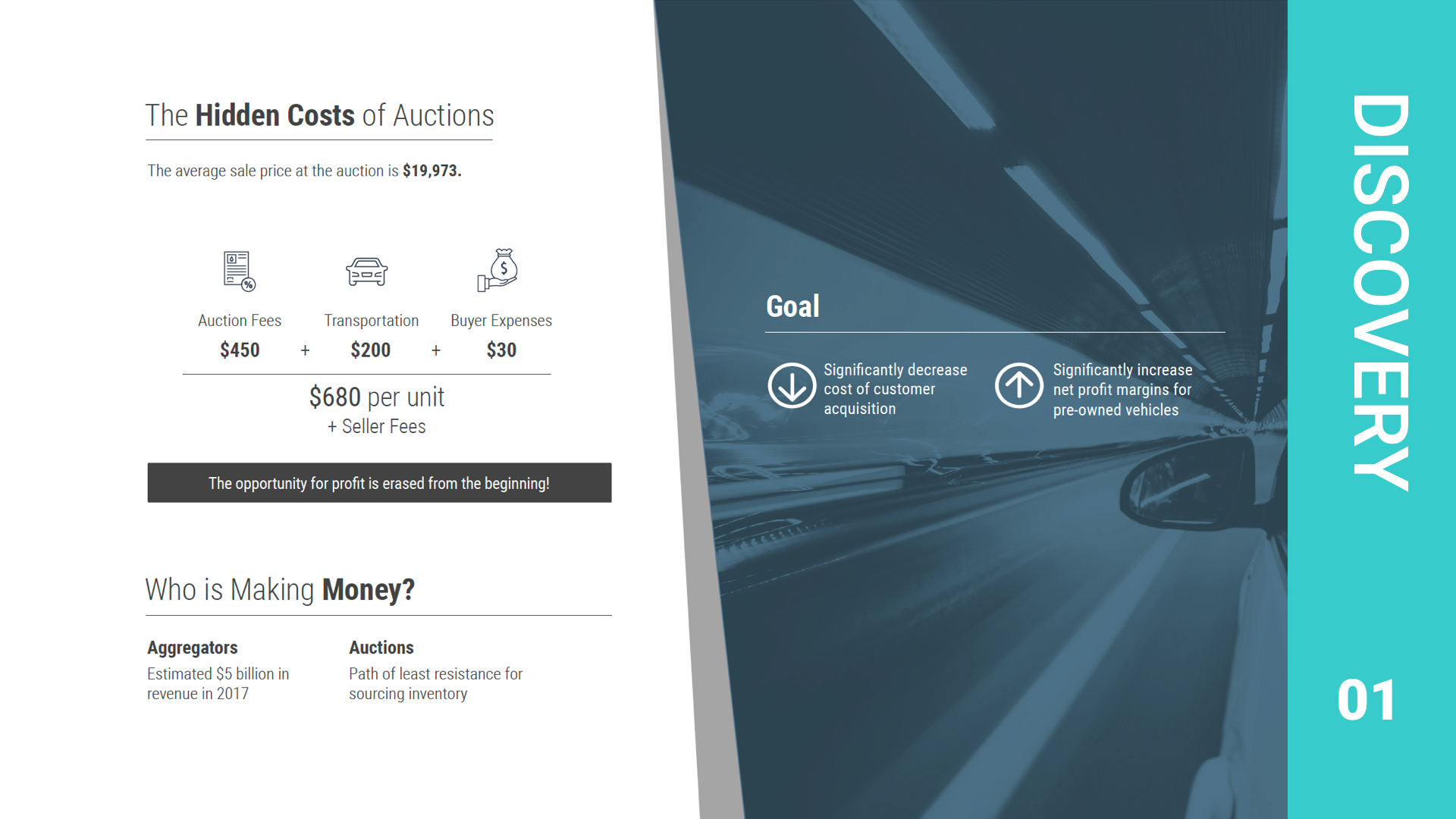
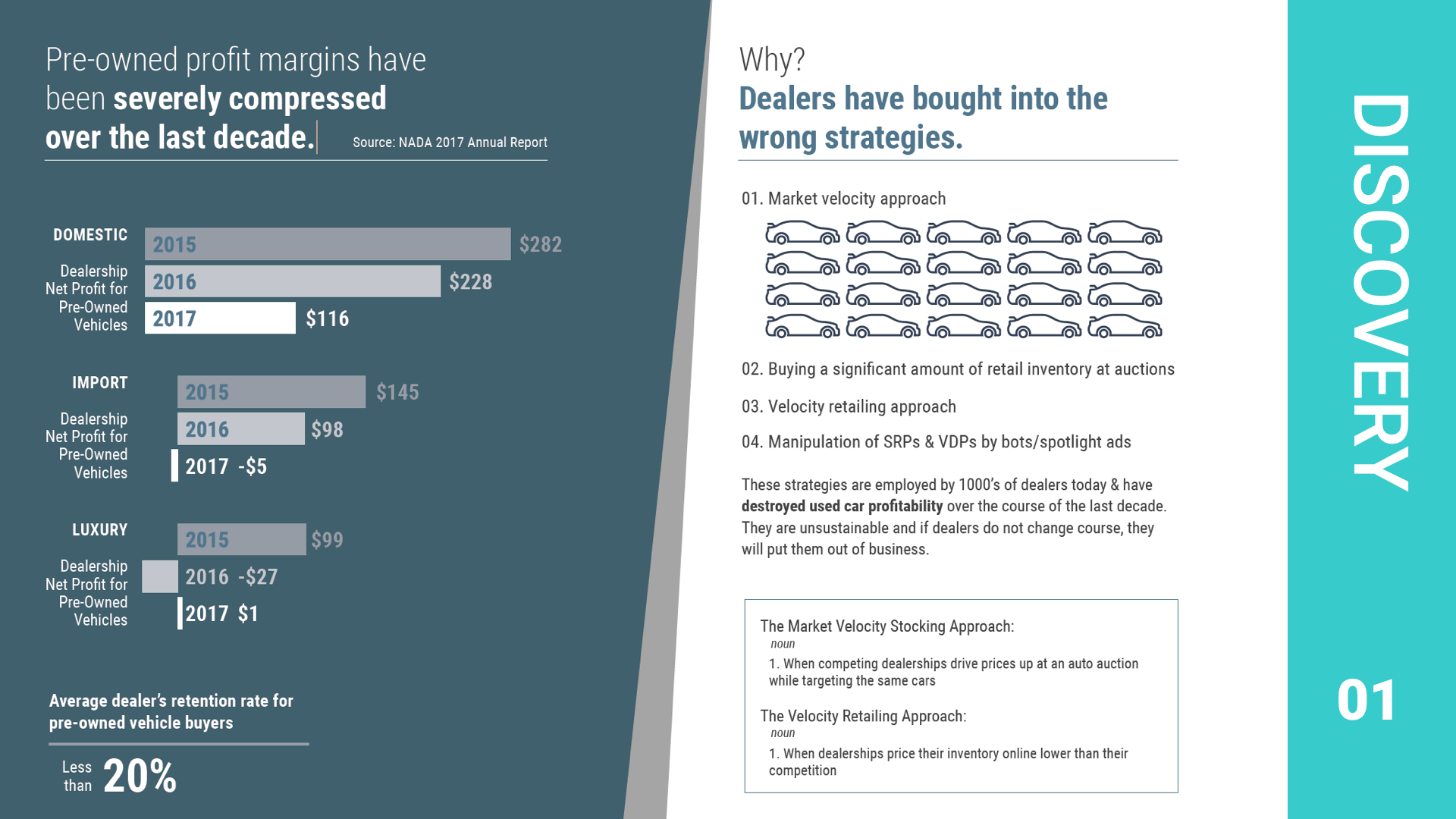
Patterns quickly emerged around fragmented workflows, inconsistent customer communication, duplicated effort, and the need for faster access to actionable information.
Platform Strategy
Designing a connected dealership ecosystem.
Research revealed that users didn’t need more software. They needed one place where sales, marketing, service, inventory, and customer engagement could work together. This shifted the conversation from designing features to designing a platform.
Several strategic opportunities emerged:
Unified workflows
Eliminate unnecessary context switching by bringing related tasks into a single experience.
White-label architecture
Allow every dealership to customize branding while maintaining one scalable product.
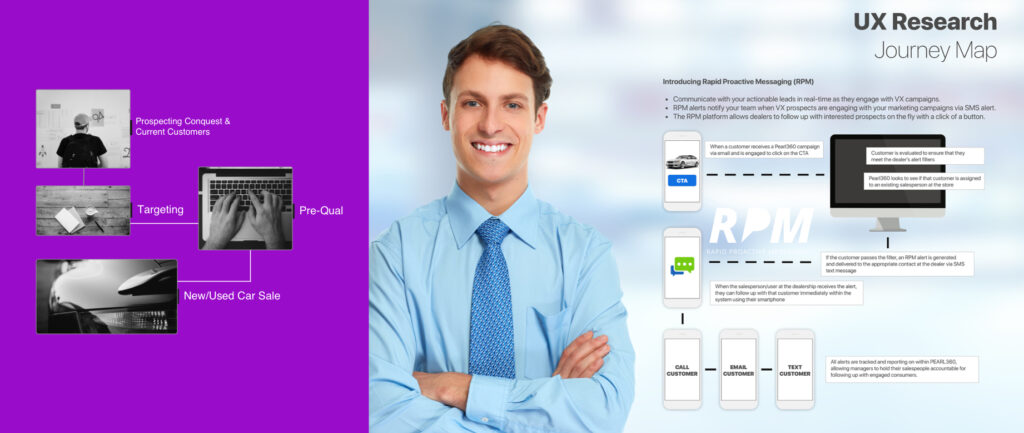
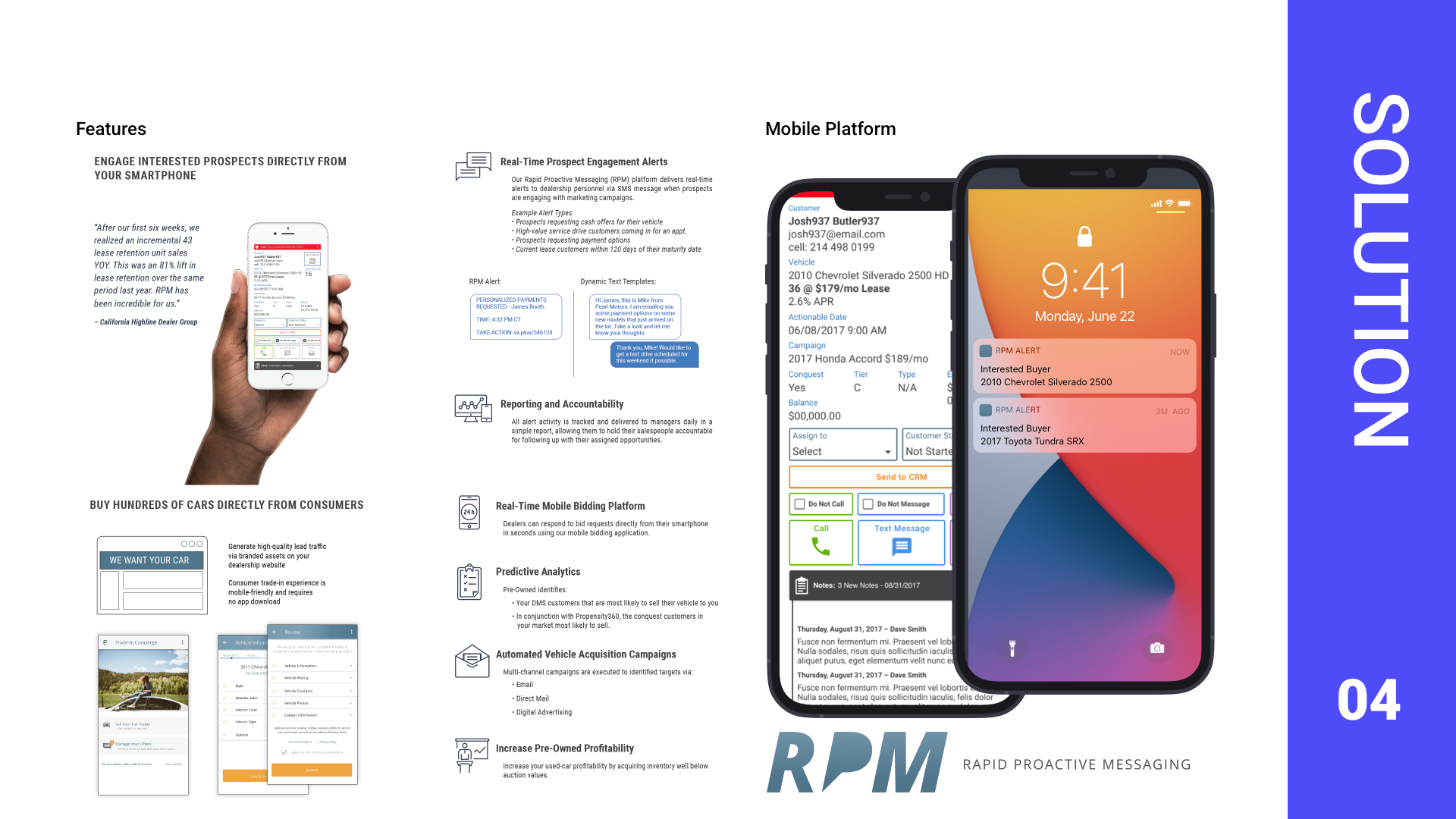
Rapid Proactive Messaging (RPM)
Enable dealerships to immediately engage high-intent customers through intelligent notifications and mobile workflows.
Operational visibility
Provide managers with meaningful reporting and accountability without adding administrative overhead.
Designing the Experience
From ideas to interactive workflows.
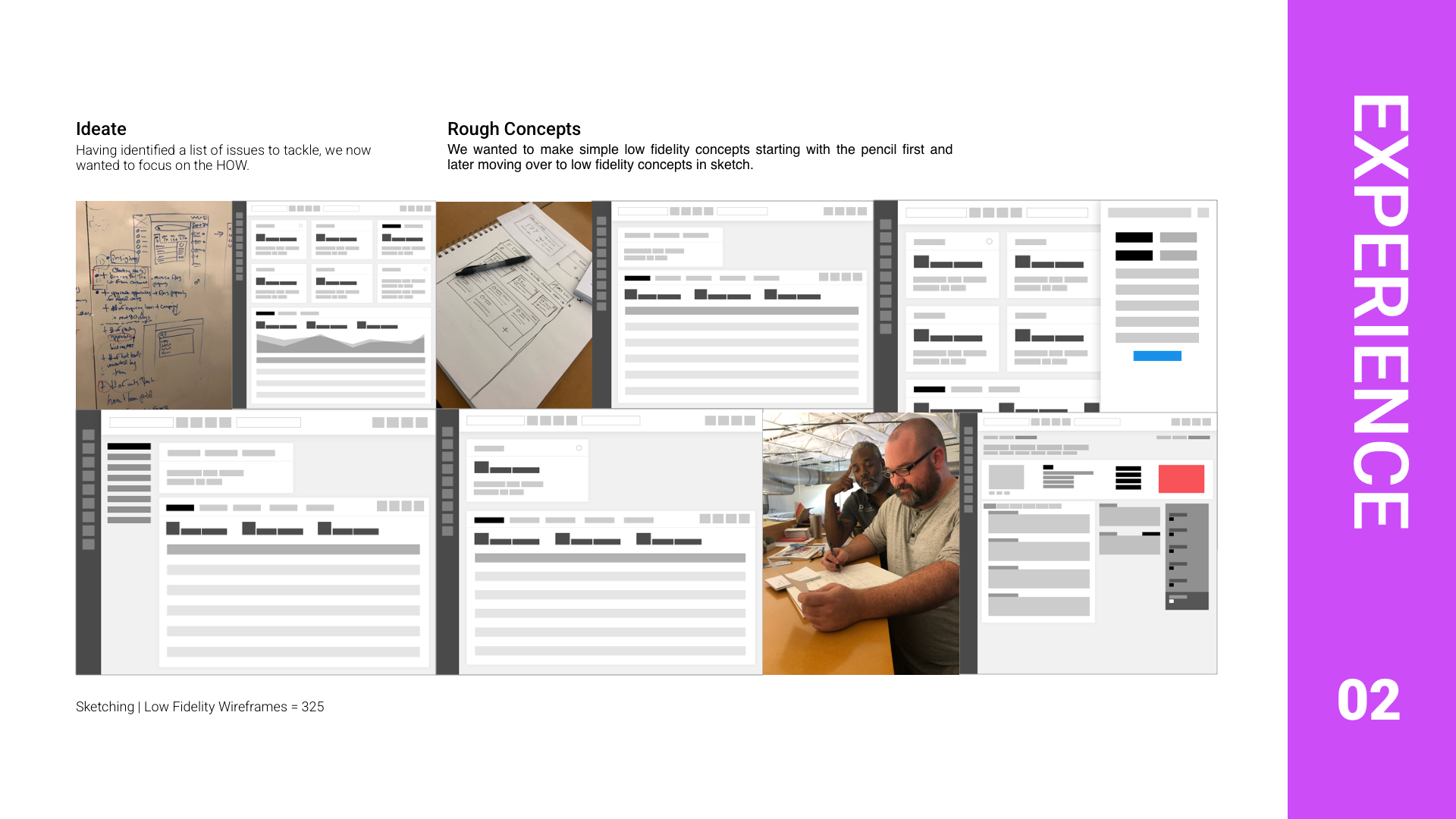
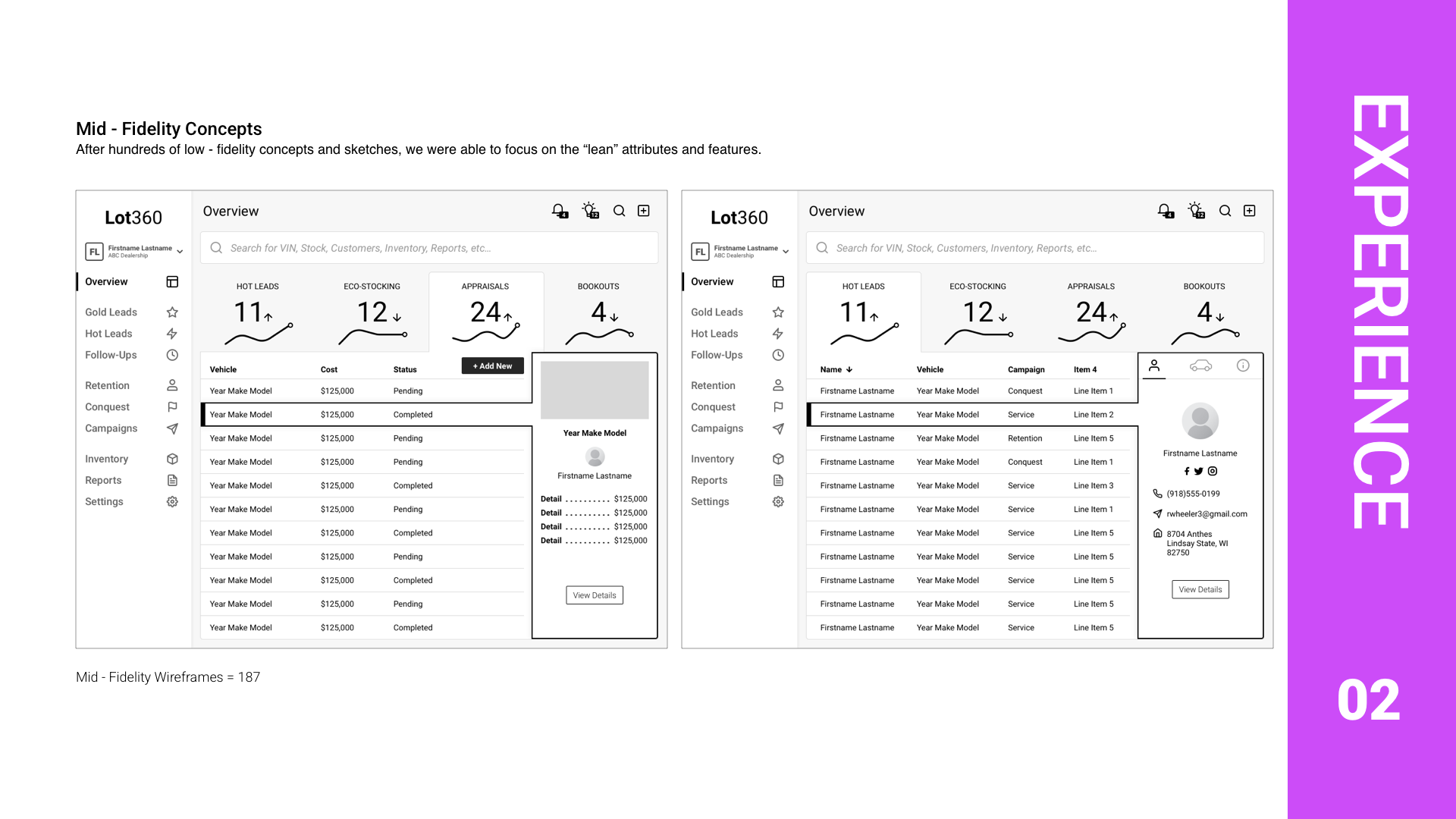
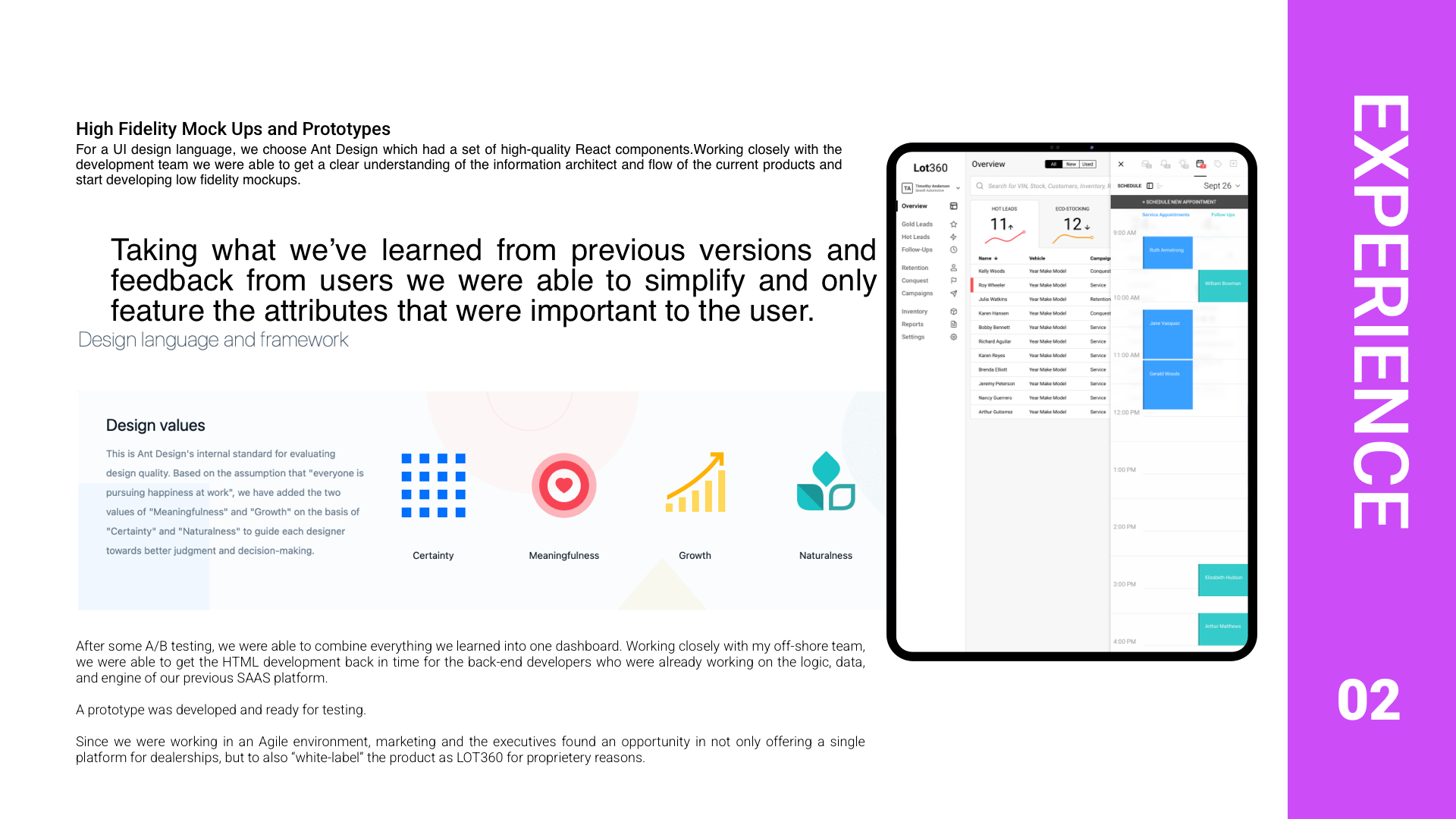
The experience evolved through rapid collaboration between design, product, engineering, and stakeholders. Sketches quickly became information architecture, wireframes, interactive prototypes, and production-ready interfaces.
Instead of designing isolated screens, every iteration focused on improving complete dealership workflows.
Lot360 was created to bring these products together into a single platform that simplified dealership operations while remaining flexible enough to support white-label deployments for individual dealer groups.
Design System
Building consistency at scale.
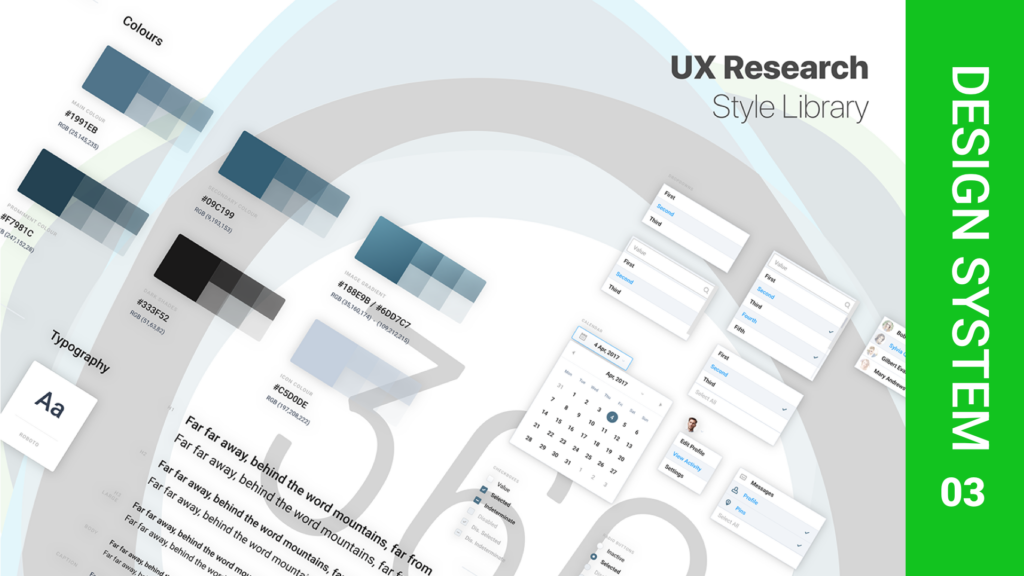
Because Lot360 unified multiple products into one platform, consistency became just as important as usability. Using Ant Design as the foundation, we established a shared component library that gave designers and engineers a common language while supporting future growth.
The system emphasized:
• reusable components
• consistent navigation
• scalable layouts
• accessibility
• faster engineering handoff
Rather than treating the design system as documentation, it became the foundation that allowed the platform to evolve without sacrificing usability.
Validation
Designing with evidence, not assumptions.
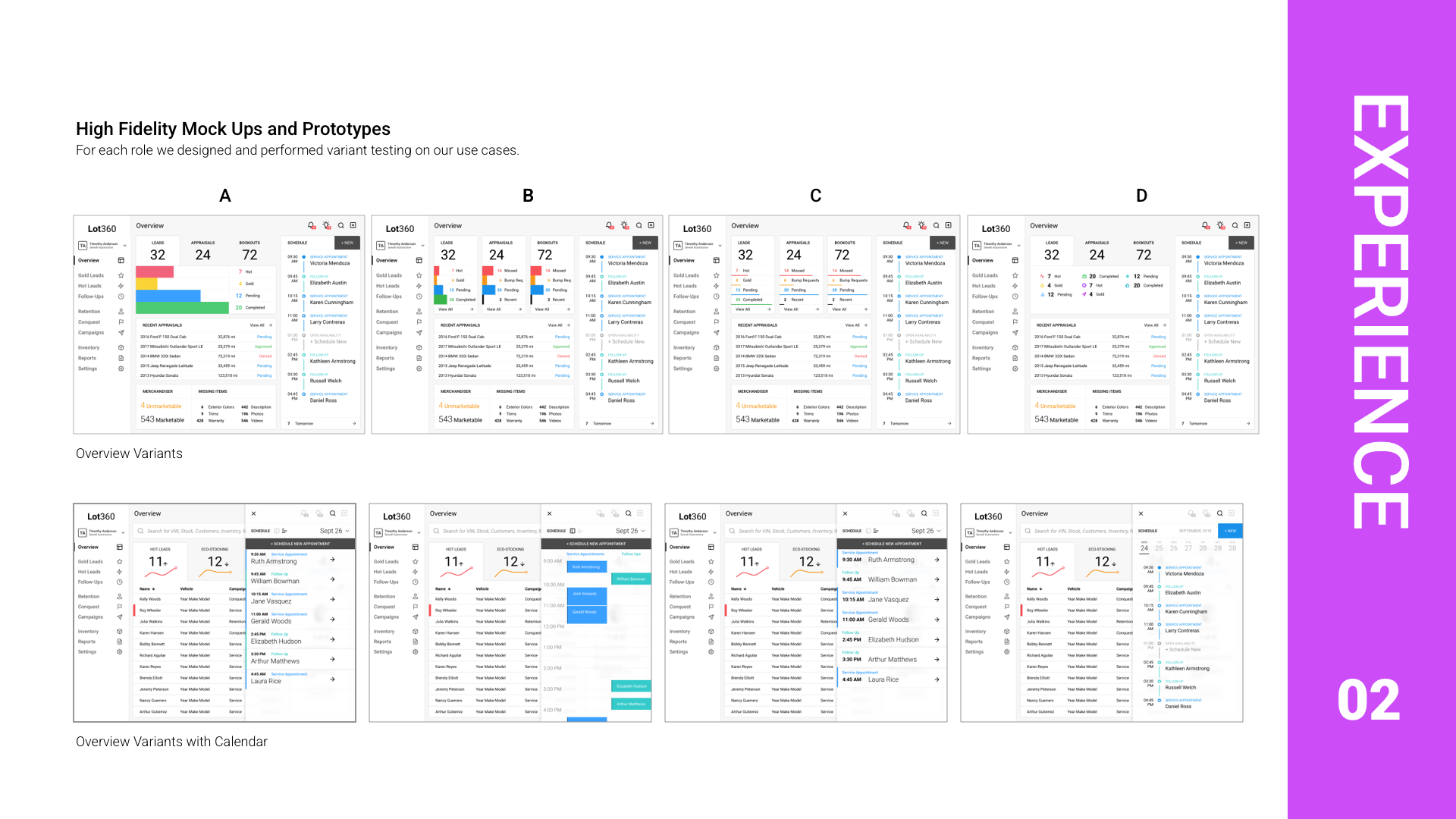
Interactive prototypes were tested with dealership employees representing multiple roles across the organization. Testing focused on real dealership scenarios, including lead management, follow-up, financing, service appointments, and inventory workflows.
Validation included:
• Moderated usability testing
• Workflow evaluations
• A/B comparisons
• Task analysis
• Surveys
• Prototype analytics
Every testing cycle uncovered opportunities to simplify navigation, improve information hierarchy, and reduce unnecessary interaction.
Solution
A unified experience built around dealership workflows.
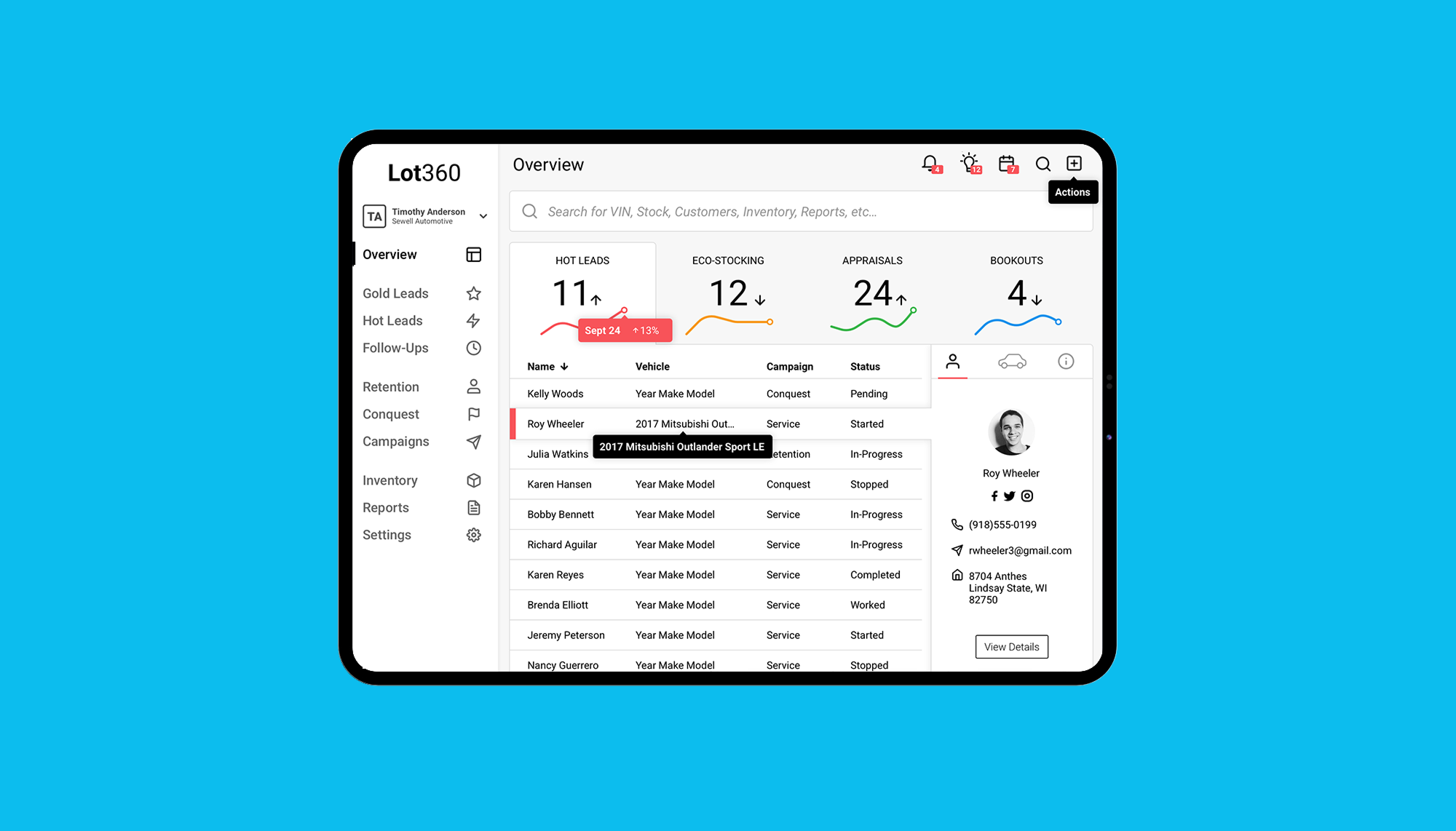
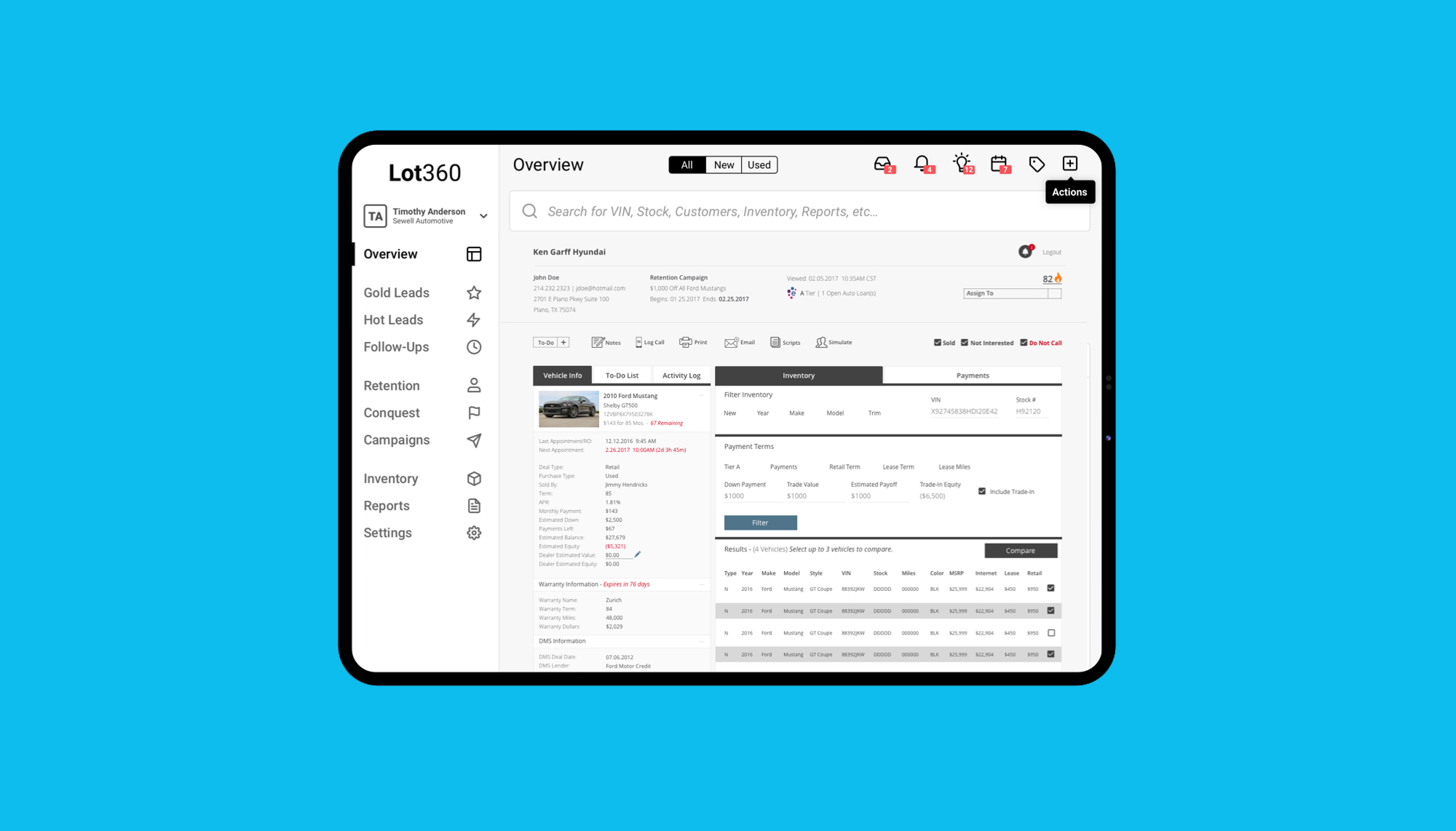
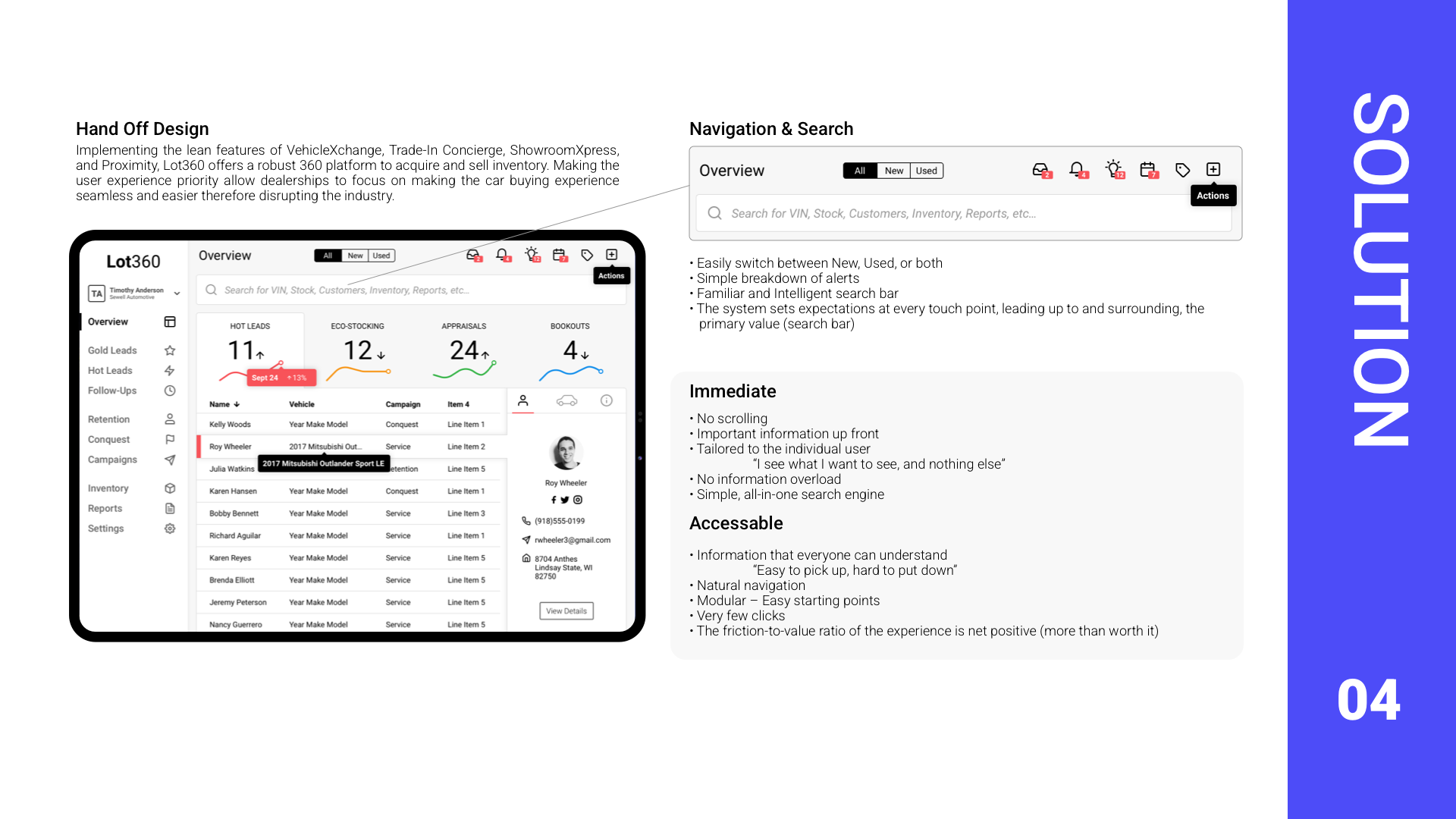
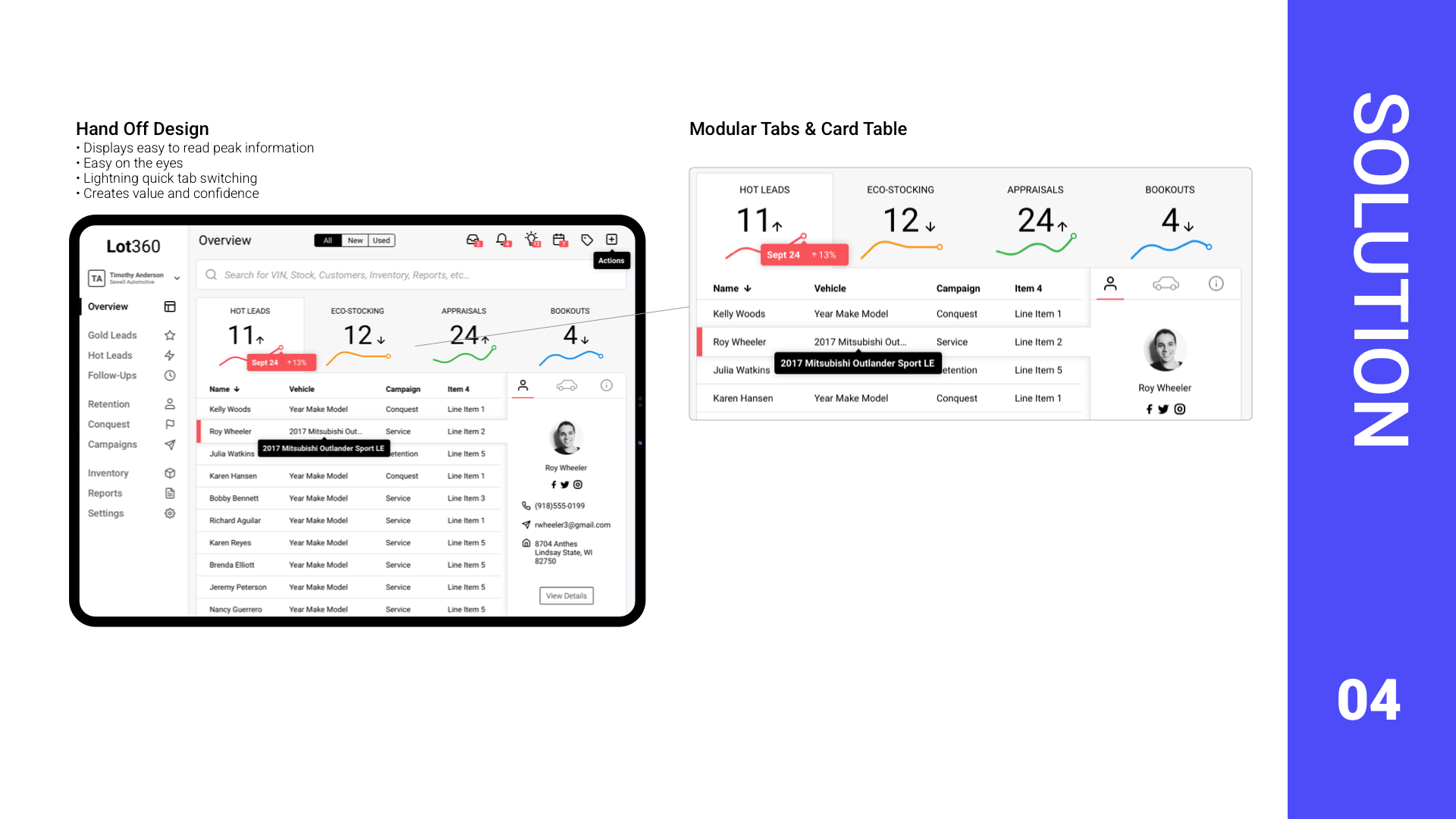
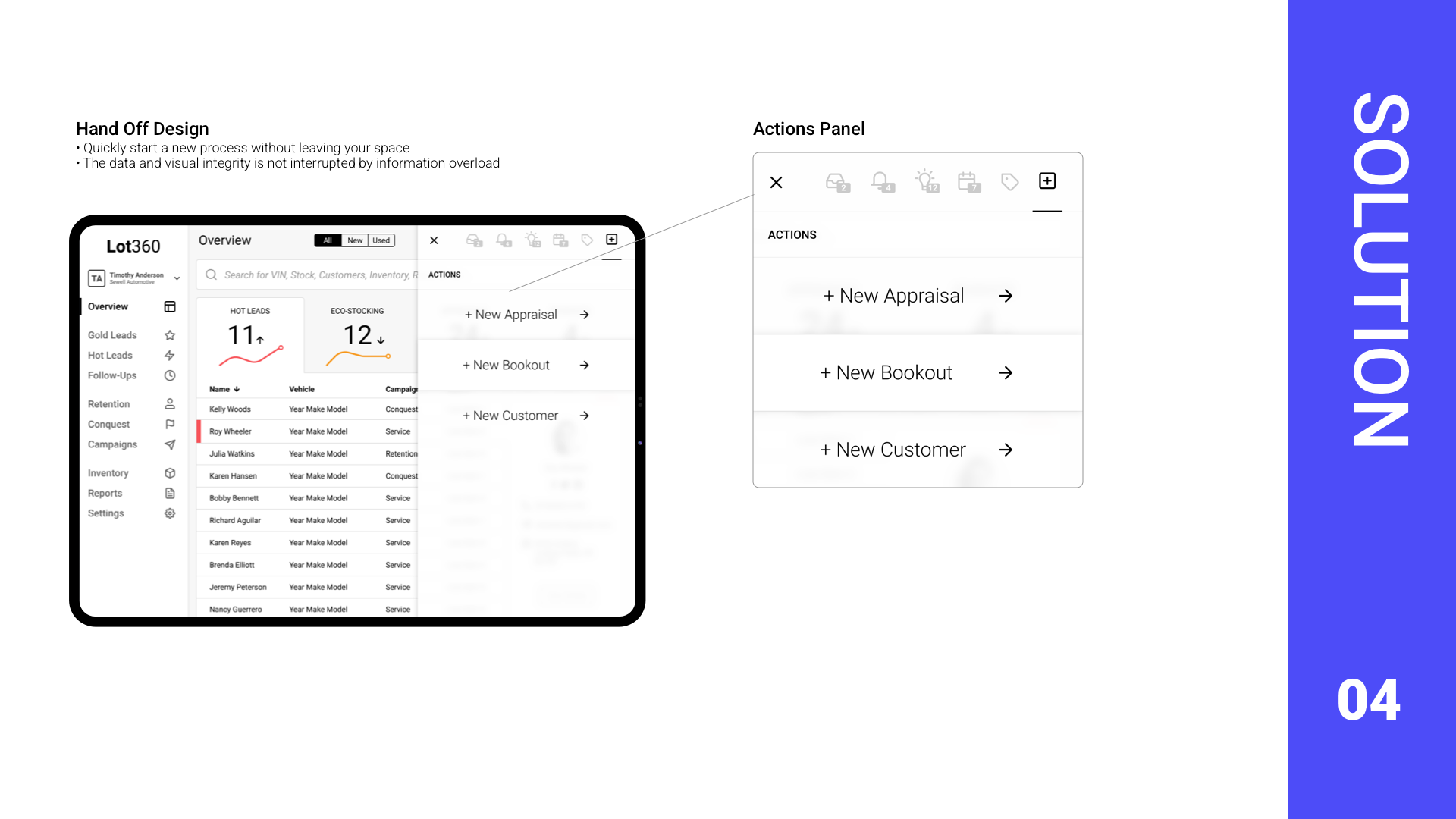
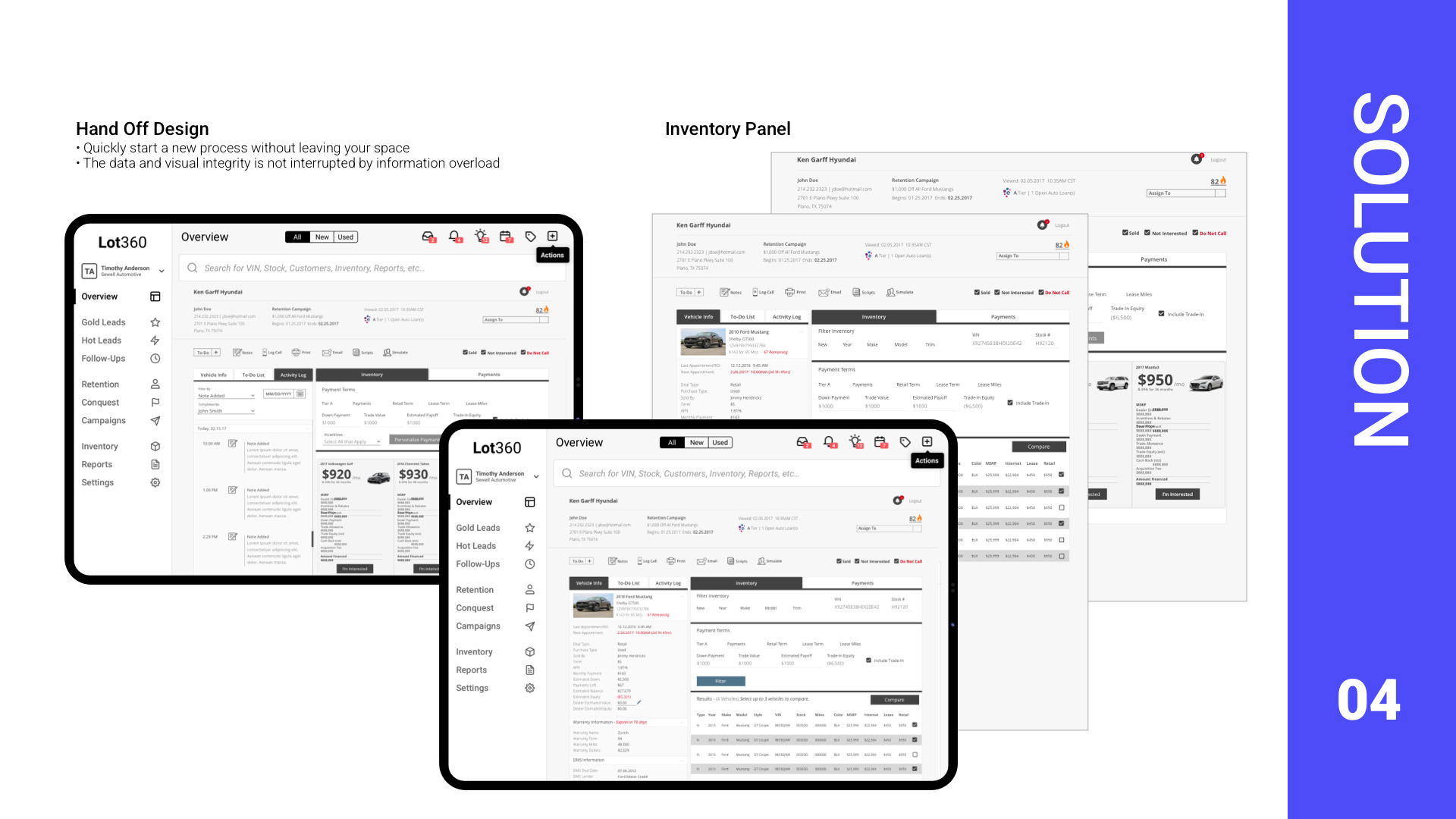
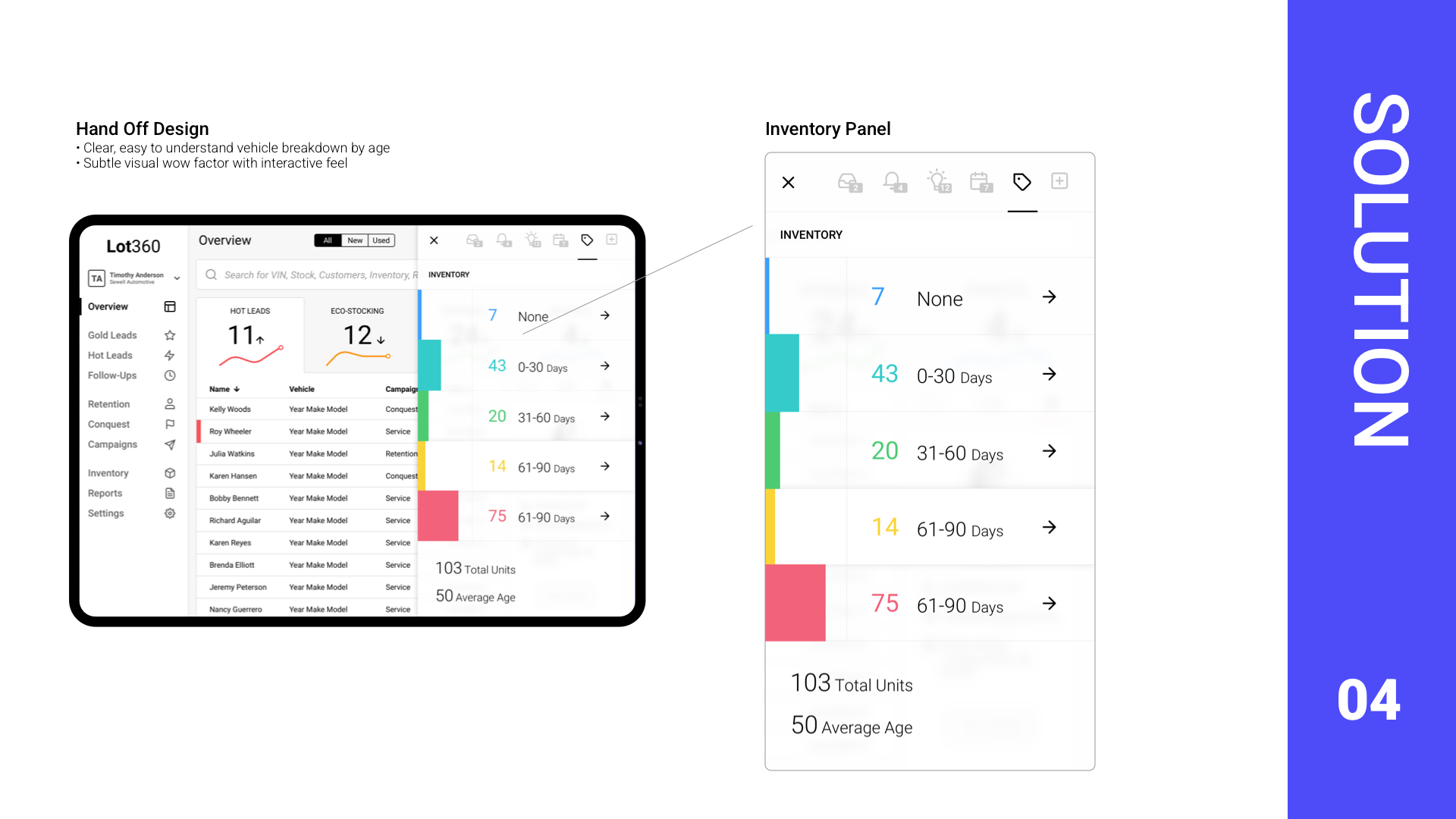
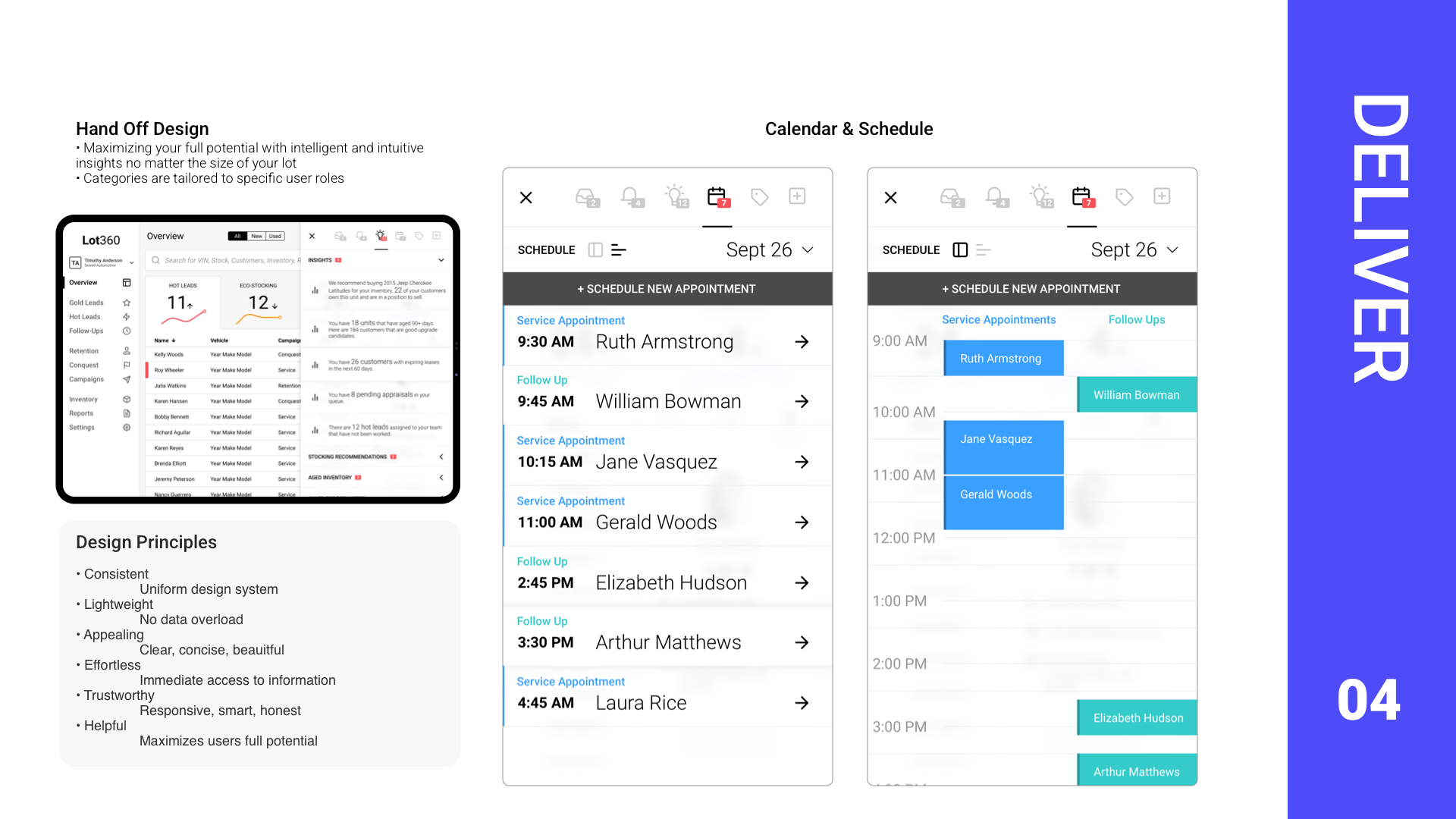
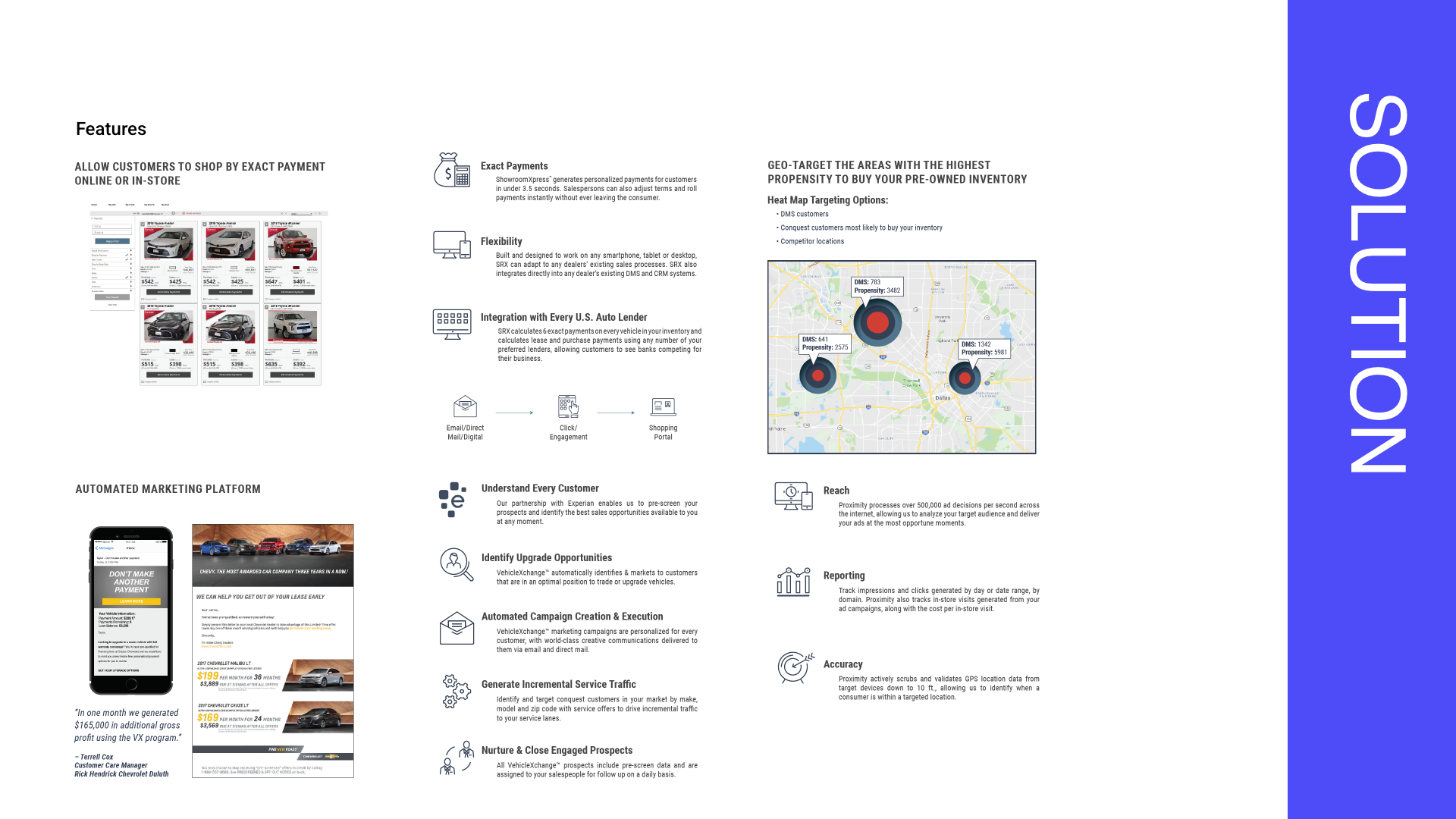
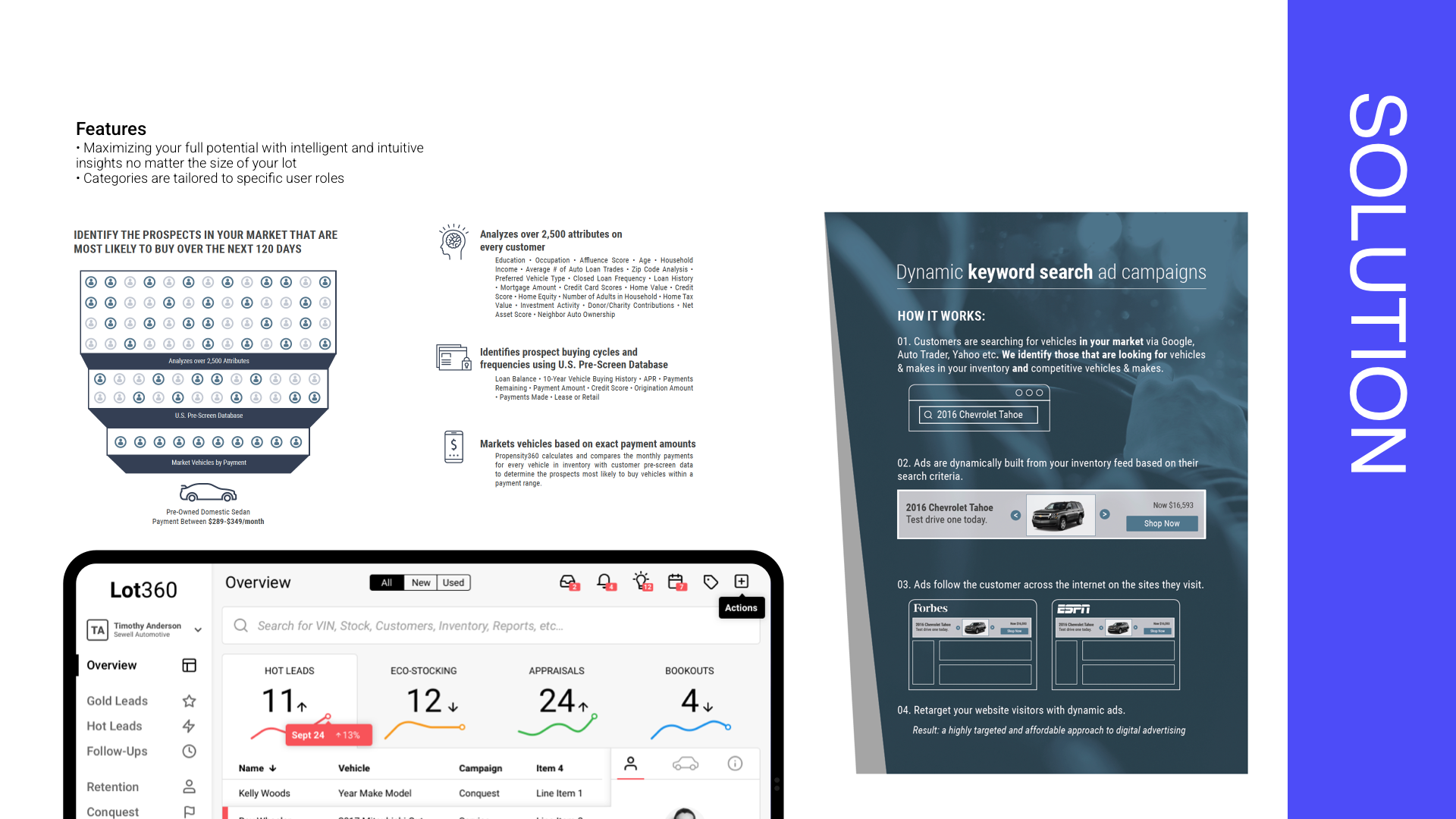
The final platform consolidated four independent products into one cohesive experience.
Core capabilities included:
• Unified dashboard
• Lead management
• Inventory
• Customer communication
• Service retention
• Marketing campaigns
• White-label customization
• Mobile RPM alerts
Rather than forcing dealerships to adapt to disconnected software, Lot360 adapted to the way dealerships already worked.
Reflection
What I learned.
Lot360 changed how I think about product design.
The biggest challenge wasn’t designing individual screens—it was designing relationships between systems, users, and business goals. Success depended on balancing dealership operations, customer engagement, engineering constraints, and long-term scalability while maintaining a simple, intuitive experience. This project reinforced that great platform design isn’t measured by the number of features it contains.
It’s measured by how naturally complex systems work together.
Have a complex problem to solve?
I’m always interested in thoughtful conversations about product design, service design, enterprise systems, and human-centered AI.